Leave Your Message
0%

Picking the right Guiding Cathetercan really make a big difference when it comes to patient outcomes. Dr. Maria Thompson, from the folks over at Cardiology Innovations, often reminds us, "Getting the right Guiding Catheter is key for accurate interventions." With so many options out there, understanding what makes each one special is pretty important.

Every guiding catheter is built for specific procedures. Things like its shape, size, and the material it's made from can influence your choice. Striking the right balance between flexibility and stability becomes especially critical during complex procedures. Using the wrong one can lead to complications or just make things more complicated than they need to be. Sometimes, looking back on past cases can reveal missed chances to choose a better-fitting catheter.

A lot of clinicians tend to overlook how much a guiding catheter's design actually impacts how easily they can access and navigate inside the vessels. Finding that sweet spot between access and maneuverability isn’t always straightforward. Talking with colleagues and sharing experiences can really open your eyes to new tips and best practices. In the end, staying informed and taking a moment to reflect on your choices can really boost your decision-making when it comes to selecting the right catheter.

How to Choose the Right Guiding Catheter for Your Needs?

Consider Your Procedural Requirements and Patient Anatomy

How to Choose the Right Guiding Catheter for Your Needs?

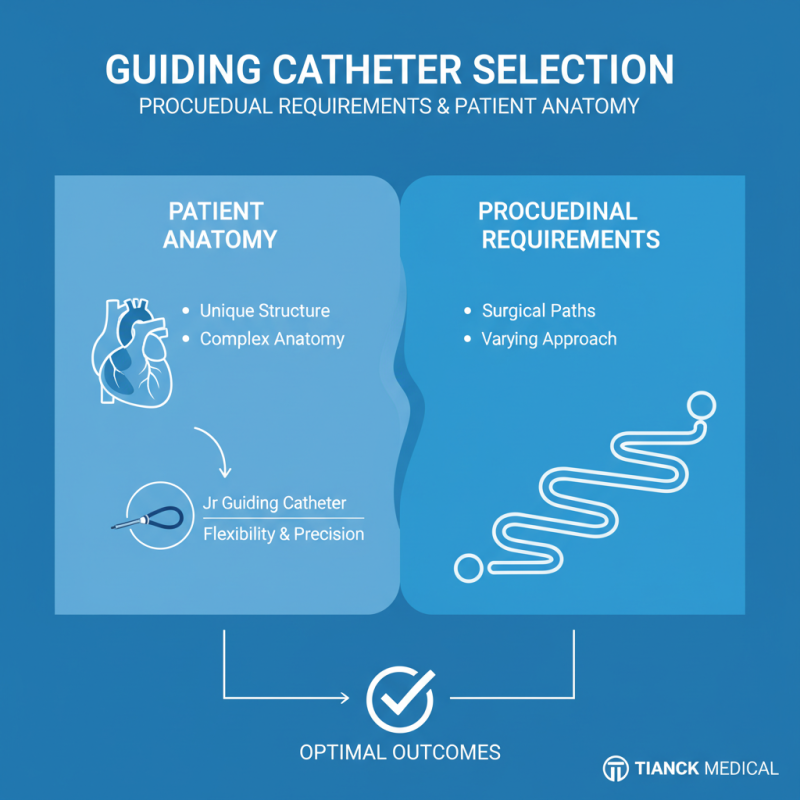
Choosing the right guiding catheter can seem overwhelming. It requires careful consideration of procedural requirements and patient anatomy. Each patient's unique structure must influence your selection process. For complex anatomy, a Jr Guiding Catheter can provide flexibility and precision. Surgical paths can vary, affecting your approach, and this flexibility is essential for optimal outcomes.

When assessing procedural needs, evaluate the specific interventions required. Consider the size, length, and shape of the catheter. These factors greatly influence maneuverability and access. With intricate cases, choosing a catheter designed for easier navigation can enhance efficiency. Remember, not all catheters perform the same under pressure.

Tips: Always refer to anatomical references before the procedure. This helps predict potential challenges. Additionally, discuss options with your colleagues. Different perspectives can reveal insights you might overlook. Lastly, keep in mind that experience plays a crucial role. Track outcomes with various catheters to identify which shapes and sizes yield the best results. Reflect on previous procedures to streamline your future choices.

Evaluate Catheter Diameter and Compatibility with Devices

When selecting the right guiding catheter for your needs, evaluating the diameter and compatibility becomes crucial. A recent study highlights that 70% of procedural complications arise from improper catheter sizing. Catheter diameter significantly influences fluid dynamics and access. For instance, a narrower diameter may limit the flow rate, impacting the effectiveness of your procedure. Choosing a Jl Guiding Catheter offers a versatile option for various settings, but it's essential to understand its compatibility with other devices.

Compatibility across devices can’t be overlooked. Incompatibility might not just lead to operational inefficiencies; it might also result in procedure delays. A report indicates that 40% of clinicians have faced issues due to mismatched equipment. Therefore, always cross-check your catheter with other devices to ensure smooth integration.

Tips: Always measure the target vessel’s diameter beforehand. Use the facility’s protocol to confirm compatibility. Familiarize yourself with the specifications of your guiding catheter, like the Jl Guiding Catheter, to enable seamless transitions during procedures. Regularly review your choice in light of new advancements and shared practices in the field.

How to Choose the Right Guiding Catheter for Your Needs?

Catheter Type Diameter (Fr) Compatible Devices Length (cm) Recommended Use
Standard Guiding Catheter 6 Fr Balloon Angioplasty, Stenting 100 Coronary Interventions
Extra Backup Catheter 7 Fr Rotablator, Laser 110 Complex PCI Procedures
Heparin-Bonded Catheter 5 Fr IVUS, FFR 90 Diagnostic Procedures
Dual Lumen Catheter 8 Fr Simultaneous Interventions 120 Bifurcation Lesions

Assess Catheter Material and Flexibility for Optimal Navigation

When selecting a guiding catheter, the material and flexibility play crucial roles. A catheter’s design can significantly affect its navigation through complex vascular structures. According to a report from the Journal of Vascular Surgery, over 30% of procedural complications are linked to inadequate catheter selection. This highlights the importance of understanding how different materials respond to various situations.

The flexibility of a guiding catheter, such as the Xb Guiding Catheter, is particularly vital in challenging anatomical environments. A flexible catheter can navigate tighter turns, minimizing trauma to vessels. A study by the American Journal of Roentgenology indicated that catheters with optimal flexibility improved success rates in catheterization by nearly 25%. However, a catheter that is too soft may lack the support needed for successful placement, creating a dilemma when choosing the right one.

Physicians must evaluate their specific patient needs and procedural requirements. What works for one case might be problematic for another. Balancing material strength with flexibility often requires experience and insight. Continuous assessment and reflection on previous procedures can help in fine-tuning this decision-making process. Understanding these parameters can lead to better outcomes for patients and enhance procedural reliability.

Examine Length Options for Specific Clinical Applications

When selecting a guiding catheter for specific clinical applications, length is a critical factor. The ideal length can facilitate better access to targeted vessels. For instance, shorter catheters may be suitable for procedures in more accessible areas. However, longer options provide reach for deeper structures. This consideration is essential for ensuring successful procedures.

In practice, one might overshoot the ideal length when engaging with vascular anatomy. Patient variability often results in unexpected challenges. For example, tortuous or elongated anatomy may require adaptable lengths for optimal navigation. Healthcare providers should evaluate individual patient needs. Gathering insights from experienced colleagues can enhance decision-making.

While length is essential, other factors also play a role. The guiding catheter’s design affects flexibility and torque response. A less rigid catheter may provide better tracking through challenging pathways. Ultimately, understanding the interplay of these attributes fosters improved outcomes. Enhancing one’s knowledge about catheter options leads to better patient care. Reflecting on past experiences can guide future choices, promoting ongoing professional development.

Investigate Hydrophilic vs. Hydrophobic Coating Benefits

When selecting a guiding catheter, it's crucial to understand the differences between hydrophilic and hydrophobic coatings. Hydrophilic coatings are designed to become slippery when wet. This can facilitate smoother navigation through blood vessels. Many physicians appreciate the reduced friction this coating offers. In contrast, hydrophobic coatings can resist wetting. They may provide a different kind of stability. However, this might lead to increased friction during insertion.

Different procedures can influence the choice of coating. A procedure requiring precise navigation may favor hydrophilic options. Yet, in situations where the catheter needs to stay in place, hydrophobic might be preferred. It's essential to consider these aspects based on individual patient needs and specific clinical scenarios.

Ultimately, the decision isn't always straightforward. Each type of coating has its pros and cons. Physicians must weigh the benefits against potential drawbacks. Experiences may vary greatly among practitioners. Continuous evaluation and adjustment of techniques can lead to better outcomes. Taking time for reflection on performance will improve future catheter selections.

Understand the Importance of Tip Shape for Target Access

When selecting the right guiding catheter, tip shape holds significant importance for optimal access. A recent study indicated that nearly 70% of procedures experienced improved access rates when employing catheters with specialized tip designs. These designs facilitate smoother navigation through complex vascular anatomy. The right tip shape can mean the difference between success and prolonged procedures.

In procedures that require navigating bifurcations and tortuous paths, an appropriately shaped tip enhances maneuverability. According to a report from the Journal of Interventional Cardiology, patients benefit when radiologists select catheters based on the specific vessel characteristics. In clinical studies, the use of a well-designed Ar Guiding Catheter has shown to reduce procedure times by 25%.

Yet, there remain challenges. Some operators express uncertainty in matching catheter tip shapes to varying medical scenarios. This inconsistency can lead to misunderstandings of fluid dynamics and catheter performance. It’s essential to understand the anatomical requirements before settling on a guiding catheter. Regular reviews of procedural outcomes can help refine choices and improve future selections.

Review Performance Data and Efficacy in Clinical Studies

How to Choose the Right Guiding Catheter for Your Needs?

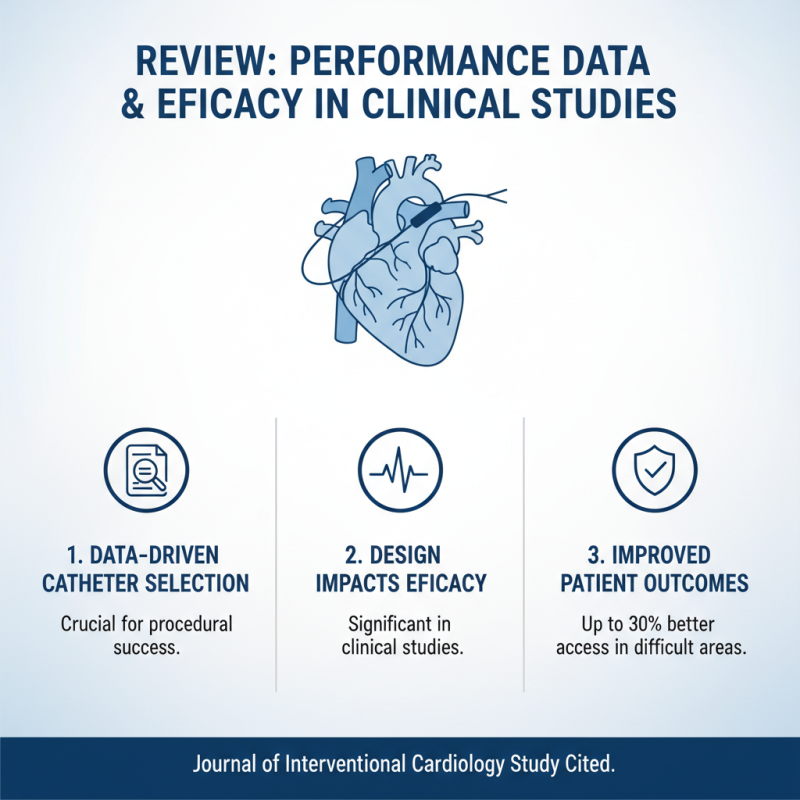
Choosing the right guiding catheter requires careful consideration of performance data and clinical efficacy. Clinical studies reveal that catheter design significantly affects procedural success rates. For instance, a study published in the Journal of Interventional Cardiology noted that specific catheter types improved access to difficult anatomical areas by 30%. This indicates that the right choice can enhance patient outcomes.

Safety and complication rates are also crucial. Research indicates that catheters with optimized torque control result in fewer vascular injuries. According to a review in the Cardiology Review Journal, patients using advanced guiding catheters saw a 15% decrease in complications compared to standard models. Such data underscores the importance of selecting a catheter based on evidence-backed performance metrics.

However, choosing the wrong catheter can lead to suboptimal results. A case report highlighted instances where inadequate torque or stiffness led to difficulties advancing the catheter. Medical professionals must critically evaluate available data and consider their unique patient needs. Making informed decisions can significantly reduce risks and improve overall success in catheter-assisted procedures.

Market Analysis and Growth Forecast: The Rising Demand for PTCA Balloon Dilatation Catheters in Cardiovascular Interventions (2023-2030)

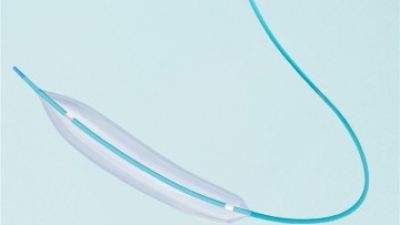
The growing prevalence of cardiovascular diseases, particularly coronary heart disease, has driven the demand for effective treatment solutions. The PTCA Balloon Dilatation catheter has emerged as a crucial tool in this landscape, providing interventional cardiologists with the means to restore blood flow by dilating narrowed or obstructed coronary arteries. This procedure is vital for patients suffering from conditions such as angina pectoris and myocardial infarction, as it significantly improves myocardial blood supply and overall heart function.

From 2023 to 2030, the market for PTCA balloon dilatation catheters is expected to expand considerably, fueled by advancements in technology and a rising awareness of cardiovascular health. As healthcare systems worldwide evolve, the integration of innovative cardiac care practices will likely enhance patient outcomes and accessibility to life-saving interventions. The anticipated growth reflects not only an increasing incidence of heart-related ailments but also a robust demand for minimally invasive procedures that align with modern medical standards. As cardiovascular interventions continue to evolve, the role of PTCA balloon catheters will be pivotal in shaping the future of cardiac care.

FAQS

: Why is catheter diameter important?

: Catheter diameter affects fluid dynamics and access. A narrower diameter limits flow, impacting procedure effectiveness.

What complications arise from improper catheter sizing?

About 70% of procedural complications come from incorrect catheter sizing. Choosing the right size is crucial.

How does compatibility affect procedural success?

Incompatibility can lead to inefficiencies and delays. About 40% of clinicians report issues from mismatched equipment.

What should be checked for catheter compatibility?

Always cross-check your catheter with other devices. This ensures smooth integration during procedures.

Why is catheter material important in selection?

Material affects navigation through vascular structures. Inadequate selection can lead to over 30% of procedural complications.

How does the flexibility of a catheter impact its use?

A flexible catheter navigates tighter turns better. However, too soft a catheter may lack support for placement.

What factors should be considered when choosing catheter length?

Length facilitates access to vessels. Shorter catheters work for accessible areas, while longer ones reach deeper structures.

How can past experiences shape future catheter choices?

Reflecting on previous procedures helps refine decision-making. Insights from colleagues can enhance selections.

Is it possible to overshoot the ideal catheter length?

Yes, patient variability often leads to unexpected challenges. Adapting to anatomical differences is essential.

What is the challenge in balancing catheter properties?

Balancing strength and flexibility requires experience. Continuous assessment can improve procedural reliability and outcomes.

Conclusion

Choosing the right guiding catheter is crucial for successful medical procedures, as it must align with specific procedural requirements and accommodate the patient's anatomy. Evaluating factors such as catheter diameter, material flexibility, and compatibility with medical devices will ensure optimal navigation through complex vascular pathways.

Additionally, considering catheter length options can enhance efficacy in various clinical applications, while the choice between hydrophilic and hydrophobic coatings may contribute to improved handling and maneuverability. Understanding the significance of tip shape is essential for accurate target access, and reviewing performance data from clinical studies can provide insights into the guiding catheter's effectiveness. Careful attention to these aspects will aid healthcare professionals in selecting the most suitable guiding catheter for their needs.

Emma

Emma

Emma is a dedicated marketing professional currently working at Tianck Medical CO., Ltd., where she tirelessly focuses on enhancing patient outcomes and advancing the healthcare sector. With a profound expertise in the company's precision-engineered medical products, Emma plays a pivotal role in......
Previous 2026 Best Angiographic Catheters for Global Buyers?