Leave Your Message
0%

Managing biliary obstructions effectively usually means relying on a Biliary Drainage Catheter — it’s a really important tool in modern medicine. Dr. John Smith, who's pretty much an expert in interventional radiology at the University Medical Center, mentions that ‘Picking the right Biliary Drainage Catheter can really make a difference in how patients do and can help avoid complications.’ That highlights just how crucial it is to choose and use these catheters correctly in everyday clinical work.

When it comes to biliary drainage, healthcare providers face a bunch of options and techniques. Getting to know the specific reasons for using these catheters, what they’re made of, and how they’re designed is super important. Having a good grasp of these details can really help practitioners make smarter choices, especially since every patient’s situation can be totally different. In the end, this kind of knowledge can boost the chances of a successful procedure.

But it’s not just about picking the right catheter — how you actually use it matters a lot, too. From the way you insert it to how you maintain it afterwards, every step can influence patient safety and how well the drainage works. So, taking a thoughtful, strategic approach when selecting and handling Biliary Drainage Catheters not only helps achieve better results but also improves the overall care patients receive when dealing with biliary issues.
Essential Tips for Choosing and Using Biliary Drainage Catheters Effectively

Understanding Biliary Drainage Catheters: An Overview of Types

Biliary drainage catheters are critical medical devices used to alleviate conditions related to bile duct obstructions. They come in various types, including external and internal catheters, as well as different designs optimized for specific clinical scenarios. External biliary catheters allow drainage directly into an external collection bag, ideal for short-term management. In contrast, internal catheters are designed to redirect bile flow back into the gastrointestinal tract, often employed for longer-term treatment. Understanding the differences between these types is essential for selecting the appropriate catheter based on patient needs.

When choosing a biliary drainage catheter, consider the specific condition and the patient's anatomy. One key tip is to evaluate the size and patency of the bile ducts via imaging studies to ensure the catheter fits properly. Additionally, it's important to recognize the significance of the catheter's length and diameter, as these factors influence drainage efficiency and potential complications. Lastly, ensure that the catheter is selected from verified sources to guarantee safety and reliability during the procedure.

Indications for Biliary Drainage: When to Choose Catheter Placement

Biliary drainage catheters play a crucial role in managing obstructive jaundice, cholangitis, and other biliary disorders. Indications for their use often stem from the patient's presenting symptoms and diagnostic findings, such as elevated bilirubin levels or imaging studies revealing obstruction. Catheter placement is typically indicated when non-invasive methods fail to adequately relieve symptoms or when surgical intervention is not suitable. Patients presenting with bile duct strictures or tumors may particularly benefit from biliary drainage, as it not only alleviates symptoms but also aids in the diagnosis and management of underlying conditions.

When choosing a biliary drainage catheter, consider the specific needs of the patient and the clinical scenario. It is essential to assess the anatomy of the bile duct system, as this can influence the catheter’s effectiveness. Additionally, catheter size, length, and the material it is made of should align with the procedural goals and the expected duration of the drainage.

**Tips:** Always ensure proper imaging is conducted prior to placement to Guide Catheter insertion effectively. Continuous monitoring of the catheter's position and function is imperative to avoid complications, such as infection or displacement, which can compromise the patient’s recovery. Finally, educate patients about signs of potential complications, helping them become active participants in their care process.

Essential Tips for Choosing and Using Biliary Drainage Catheters Effectively

Indication Recommended Catheter Type Catheter Size (French) Placement Technique Patient Monitoring
Biliary Obstruction Standard Biliary Catheter 8-10 Fr Percutaneous Approach Monitor for signs of infection
Cholestasis Double-Lumen Catheter 10-12 Fr Endoscopic Retrograde Cholangiopancreatography (ERCP) Serum bilirubin levels
Post-Surgical Complications Metal Stents 10-14 Fr Fluoroscopic Guidance Fluid output tracking
Malignant Biliary Obstruction Biliary Drainage Catheter 8-12 Fr Percutaneous Approach Regular imaging to assess patency

Material and Design Considerations for Optimal Catheter Functionality

When selecting biliary drainage catheters, material and design are critical factors that significantly influence their functionality. Catheters are typically made from silicone or polyurethane, each offering distinct advantages. Silicone Catheters are known for their biocompatibility and flexibility, which can enhance patient comfort and minimize irritation to surrounding tissues. On the other hand, polyurethane catheters are often more durable and resistant to kinking, making them suitable for prolonged use in challenging anatomical environments.The choice of material should align with the intended duration of placement and specific clinical requirements.

Design features also play a vital role in the effectiveness of biliary drainage catheters. Key considerations include the catheter diameter, length, and drainage lumen configuration. A larger diameter can facilitate better drainage rates, especially in cases of significant bile duct obstruction. Additionally, the length of the catheter must be appropriate for the anatomy of the biliary system being addressed. Catheters with multiple side holes or tapered tips can enhance drainage efficacy and reduce the risk of obstruction. Ultimately, clinicians should carefully evaluate these material and design considerations to optimize catheter performance and improve patient outcomes.

Techniques for Biliary Catheter Insertion: Step-by-Step Guidance

When considering biliary catheter insertion, it is crucial to adhere to a systematic approach to ensure patient safety and procedure efficacy. Begin by gathering all necessary tools and ensuring a sterile environment. After confirming patient identity and obtaining informed consent, position the patient appropriately, often in a supine position, and identify the biliary anatomy using imaging techniques such as ultrasound. This step is vital to minimize complications and ensure precise catheter placement.

Tip: Always opt for the smallest gauge catheter appropriate for the procedure to reduce trauma and promote better patient comfort. Additionally, maintain open communication with your team throughout the process to quickly address any unanticipated challenges that may arise.

Once the anatomy is confirmed, a local anesthetic can be administered to enhance comfort. Using a guidewire can facilitate the catheterization process, allowing for easier navigation through the biliary tree. It is essential to carefully monitor the access site and the patient’s vital signs during the insertion to detect any complications early.

Tip: After successful insertion, secure the catheter properly to prevent dislodgment and educate the patient on care instructions to minimize infection risks. Keeping follow-up appointments to assess the functionality of the catheter is also vital in managing the patient’s ongoing care.

Complications and Risks Associated with Biliary Drainage Catheters

Biliary drainage catheters are critical in the management of biliary obstructions; however, their use is not without risks. Potential complications include infections, such as cholangitis, which can occur in up to 20% of patients. Data from recent studies suggest that early recognition and management of these complications can significantly impact patient outcomes. Additionally, other risks include catheter dislodgement and the development of bile leaks, which may require further surgical intervention in severe cases.

When utilizing biliary drainage catheters, it is essential to follow certain tips to minimize risks. First, ensure proper aseptic technique during insertion to reduce the likelihood of infection. Regular monitoring of the catheter's position can prevent dislodgement and optimize drainage. Moreover, maintaining open channels by flushing the catheter as prescribed can help avoid clogs and complications related to bile accumulation.

Understanding the specific complications associated with biliary drainage catheters helps inform clinical decisions. For instance, studies indicate that utilizing imaging techniques such as ultrasound or fluoroscopy during placement can enhance accuracy and reduce the risk of accidental puncture of surrounding structures. By remaining vigilant and employing these best practices, healthcare providers can effectively manage the risks linked to biliary drainage catheters while maximizing their therapeutic benefits.

Best Practices for Catheter Maintenance and Patient Monitoring

Effective catheter maintenance and patient monitoring are crucial to ensure the successful use of biliary drainage catheters. According to a study published in the "Journal of Vascular and Interventional Radiology," maintaining catheter patency can significantly reduce the risk of complications, such as infection or obstruction, by up to 40%. Regular monitoring and assessment of the catheter site should be implemented, with healthcare professionals trained to recognize signs of infection, such as redness, swelling, or discharge. It is recommended that patients receive education on how to identify these warning signs, enabling early intervention and minimizing potential risks.

In addition, adherence to sterile techniques during catheter maintenance is vital. The Centers for Disease Control and Prevention (CDC) guidelines highlight the importance of employing aseptic techniques when handling catheters to prevent catheter-associated infections. Routine flushing of the catheter with saline, as suggested by industry standards, can enhance flow and prevent clots. Furthermore, regular evaluation of the patient’s overall health and specific biliary function can inform necessary adjustments in monitoring protocols, ensuring that any complications are addressed promptly. By prioritizing these best practices in maintenance and monitoring, healthcare providers can significantly enhance patient outcomes and increase the overall efficacy of biliary drainage procedures.

Emerging Technologies in Biliary Drainage: Innovations and Future Trends

Essential Tips for Choosing and Using Biliary Drainage Catheters Effectively

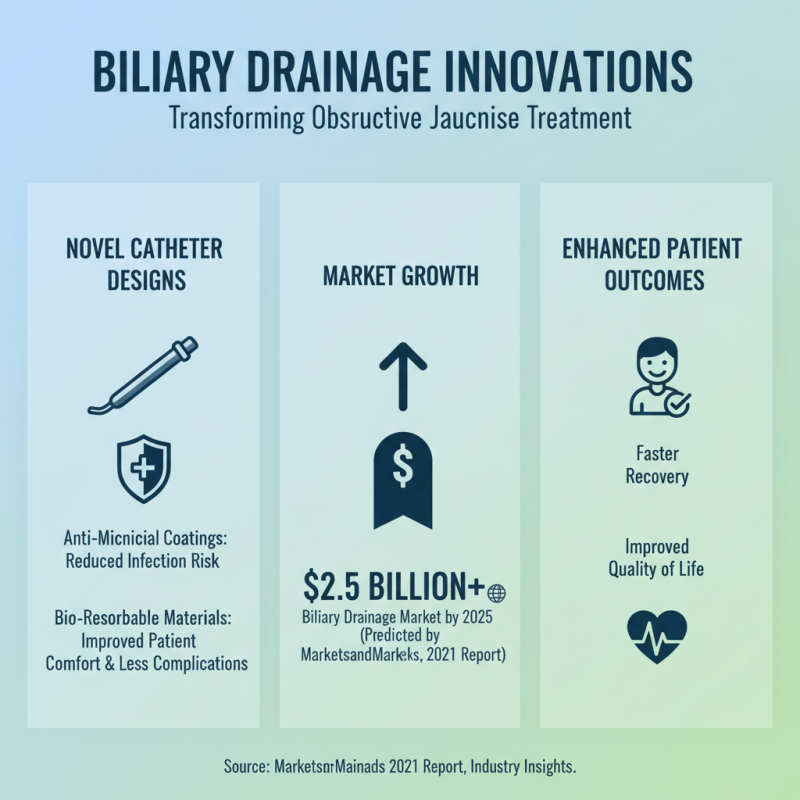
Emerging technologies in biliary drainage are rapidly transforming how healthcare professionals manage obstructive jaundice and other biliary conditions. Recent advancements emphasize the role of novel catheter designs and materials that enhance patient outcomes and reduce complications. A 2021 report by MarketsandMarkets predicts that the biliary drainage market will surpass $2.5 billion by 2025, fueled by innovation in catheter technology. New-generation catheters, such as those featuring anti-microbial coatings and bioresorbable materials, are helping to minimize the risk of infection and improve patient comfort.

In addition, digital technologies are making significant inroads into biliary drainage procedures. Innovations like augmented reality (AR) and artificial intelligence (AI) are beginning to be integrated into surgical planning and execution. According to a 2022 study published in the Journal of Medical Systems, AI-assisted imaging can help in better identifying the biliary anatomy and guide catheter placement more accurately. Such technologies not only promise enhanced precision during procedures but also aim to reduce the procedural time and potential complications associated with traditional methods. As these technologies continue to evolve, they hold great promise for improving both the efficiency of biliary drainage interventions and overall patient care.

FAQS

: What are biliary drainage catheters used for?

: Biliary drainage catheters are used to manage obstructive jaundice, cholangitis, and other biliary disorders, particularly when non-invasive methods are ineffective or surgical interventions are unsuitable.

When should catheter placement be considered?

Catheter placement is indicated when a patient exhibits symptoms like elevated bilirubin levels or imaging shows obstruction, particularly in cases of bile duct strictures or tumors.

What factors should be considered when choosing a biliary drainage catheter?

Consider the specific needs of the patient, the anatomy of the bile duct system, catheter size, length, and material to align with procedural goals and drainage duration.

What materials are commonly used for biliary drainage catheters?

Biliary drainage catheters are typically made from silicone, known for its biocompatibility and flexibility, or polyurethane, which is more durable and kink-resistant.

What are the potential complications associated with biliary drainage catheters?

Complications can include infections like cholangitis, catheter dislodgement, and bile leaks, which may necessitate further surgical intervention.

How can the risk of complications be minimized during catheter insertion?

Employ proper aseptic techniques during insertion, monitor the catheter’s position regularly, and maintain open channels by flushing the catheter as prescribed.

Why is imaging important during catheter placement?

Imaging techniques, such as ultrasound or fluoroscopy, enhance placement accuracy and reduce the risk of accidental puncture of surrounding structures, improving patient safety.

What role does catheter design play in its effectiveness?

Key design features, including diameter, length, and drainage lumen configuration, influence drainage efficiency, especially in cases of significant obstruction.

How can patients participate in their care with respect to biliary drainage catheters?

Educating patients about signs of potential complications empowers them to monitor their condition and report any issues promptly, enhancing their overall care.

What is recommended for continuous monitoring of biliary drainage catheters?

Continuous monitoring of the catheter's position and function is essential to avoid complications and ensure effective drainage throughout the treatment period.

Conclusion

Biliary Drainage Catheters play a crucial role in the management of biliary obstructions, providing a means to relieve symptoms and promote bile flow. This article outlines the essential aspects of biliary drainage catheter selection and usage, including different types of catheters and their specific indications for placement. Key considerations such as material and design are emphasized to ensure optimal functionality.

Furthermore, the article presents a step-by-step guide for catheter insertion techniques, highlights potential complications and risks, and discusses best practices for maintenance and patient monitoring. It also explores emerging technologies and innovations in biliary drainage, paving the way for future advancements in this critical area of medical care. Overall, understanding the effective use of Biliary Drainage Catheters is vital for enhancing patient outcomes and ensuring safety.

Emma

Emma

Emma is a dedicated marketing professional currently working at Tianck Medical CO., Ltd., where she tirelessly focuses on enhancing patient outcomes and advancing the healthcare sector. With a profound expertise in the company's precision-engineered medical products, Emma plays a pivotal role in......
Previous Exploring Unique Options for Micro Guide Wire in Global Markets